What Happens During a Lockout and Same-Day Rekey Visit
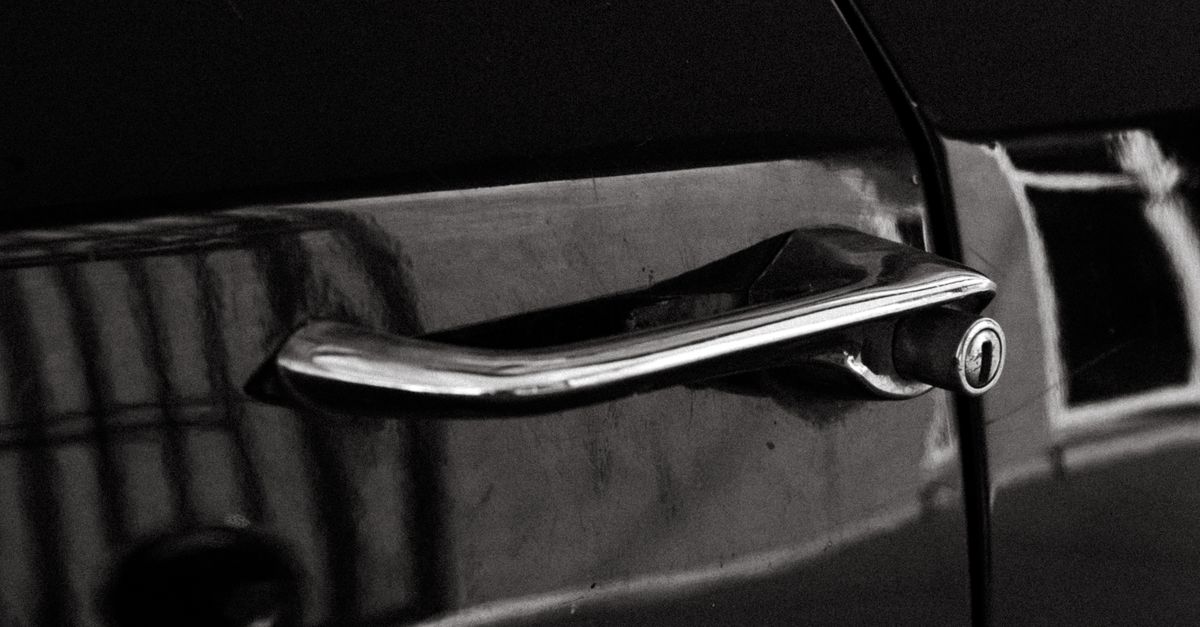
When you call us, the first thing we do is verify your identity and your right to access the property — this is standard professional practice and protects you as much as it protects anyone else. We ask for a government-issued ID and may check your name against a lease, deed, or utility bill. Once ownership or tenancy is confirmed, our technician works to open the door with the least invasive method available. For most residential door knob locks and standard deadbolts, that means a non-destructive approach that leaves the hardware intact and avoids damage to your door frame. Where a mortise lock is involved — common in older San Antonio homes built before the 1980s, including many in the King William Historic District — our technicians are specifically trained on the more complex internal mechanisms these locks use, and they carry the specialized tools to service them without destruction.
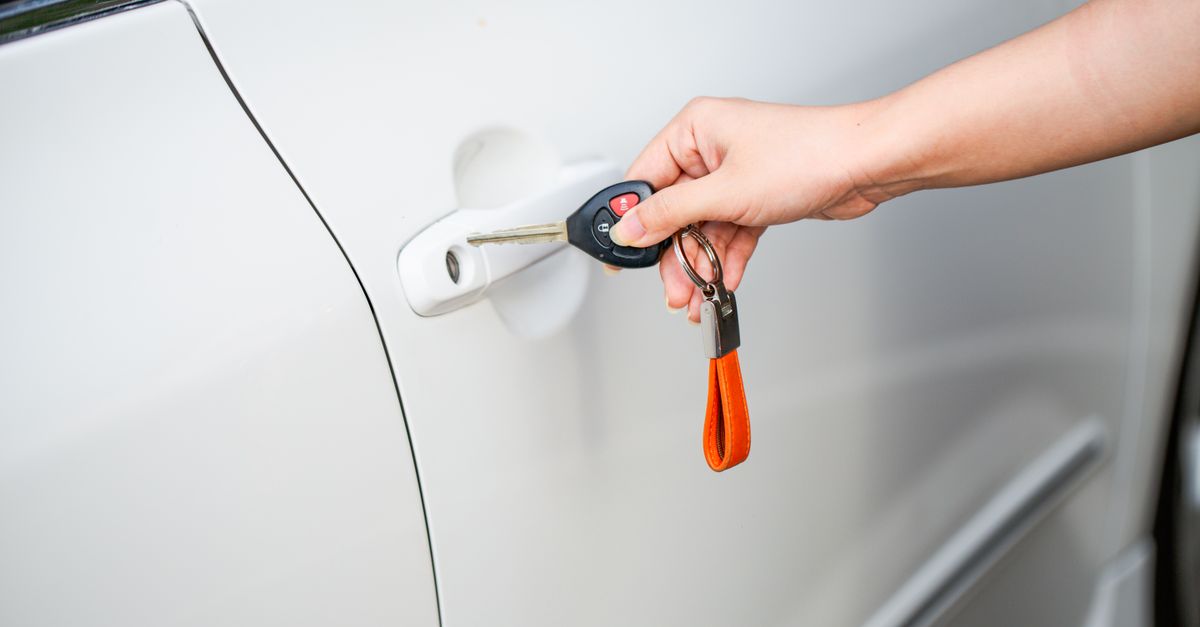
After entry, the rekey conversation begins immediately. Rekeying is not the same as replacing a lock. It means our technician disassembles the lock cylinder, rearranges the internal driver pins to a new configuration, and cuts a matching set of new keys on-site. Your existing hardware stays in place — the deadbolt, the mortise lock body, the strike plate — and only the combination changes. This is ideal when the hardware itself is in good shape but the key history is unknown. We rekey to a single master key if you want all your doors on one key, or we can set individual cylinders differently if your situation calls for it. Every step is explained before we begin, and we confirm an exact up-front price before any work is started.